


-

Add: HeBei ShengShi HongBang Cellulose Technology CO.,LTD.
-

Email
13180486930@163.com -

CONTACT US
+86 13180486930
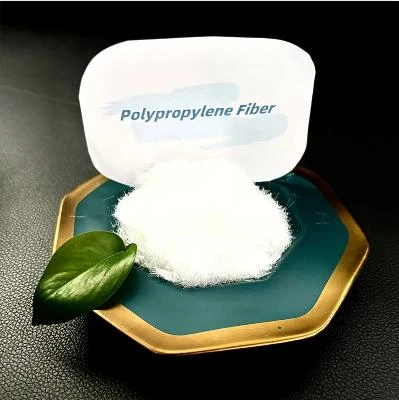


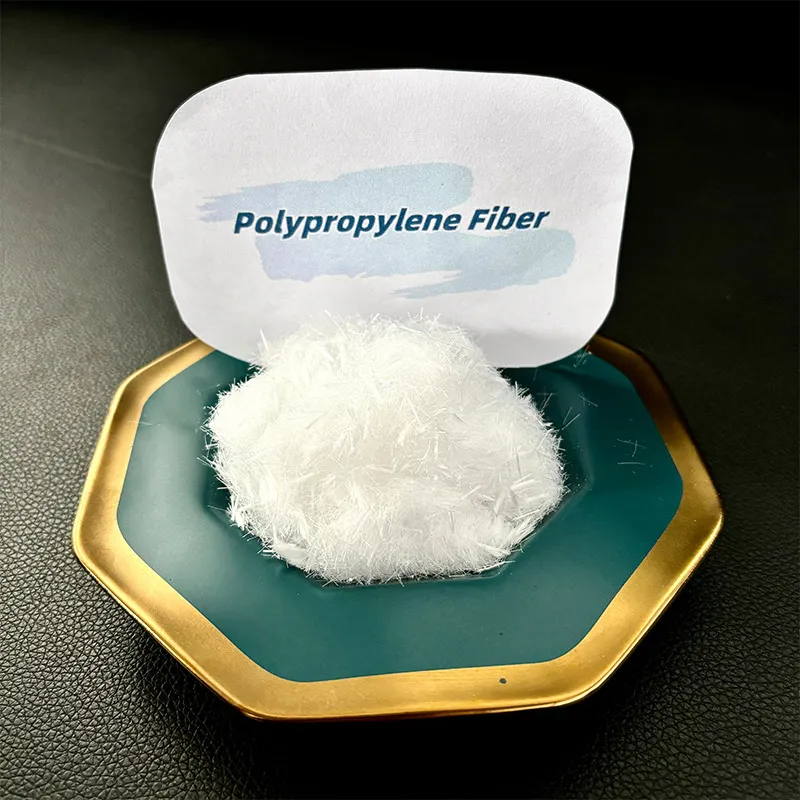
The Use of Polypropylene Fibre in Concrete Enhancing Durability and Performance Concrete is one of the most widely used construction materials in the world, renowned for its strength and durability. However, traditional concrete has inherent limitations, such as brittleness and susceptibility to cracking. To address these weaknesses, engineers and researchers have explored various methods of enhancing concrete's performance, one of which is the incorporation of polypropylene fibres. This article delves into the benefits of polypropylene fibre concrete, its applications, and its role in modern construction practices. Understanding Polypropylene Fibres Polypropylene is a thermoplastic polymer often used in a variety of applications, including packaging, textiles, and automotive components. When used as a reinforcement material in concrete, polypropylene fibres help improve the material's overall properties. These fibres are typically available in lengths ranging from 6 mm to 19 mm, depending on the specific application. Their lightweight and durable nature contribute significantly to enhancing the performance of concrete. Benefits of Polypropylene Fibre Concrete 1. Crack Control One of the most significant advantages of incorporating polypropylene fibres into concrete is their ability to control cracking. Traditional concrete can develop micro-cracks due to shrinkage, thermal changes, and stress loads. Polypropylene fibres help to inhibit the growth of these cracks by redistributing stresses within the concrete matrix. This results in improved crack resistance, particularly in thin slabs and surfaces exposed to environmental conditions. 2. Improved Impact Resistance Polypropylene fibre-reinforced concrete exhibits enhanced impact resistance compared to conventional concrete. The presence of fibres helps to absorb and dissipate energy, making the material less prone to failure under sudden loads. This property is particularly valuable in applications where high-impact forces are expected, such as in industrial flooring and pavement. 3. Increased Durability The addition of polypropylene fibres can significantly improve the durability of concrete. The fibres reduce the permeability of the concrete, thereby limiting the ingress of harmful chemicals, water, and chloride ions that can lead to corrosion of reinforcement bars. This characteristic is vital for structures exposed to harsh environmental conditions, such as marine environments or areas with high road salt usage. polypropylene fibre concrete 4. Enhanced Flexural Strength Polypropylene fibres contribute to improved flexural strength of concrete. Their presence allows for better load distribution, reducing the likelihood of bending and deformation under stress. This enhanced strength can be particularly crucial in applications such as bridges and parking structures, where load-bearing capacity is essential. 5. Reduction in Construction Costs By improving concrete’s durability and longevity, the use of polypropylene fibres often leads to reduced maintenance and repair costs over time. Furthermore, the ability to use thinner slabs without compromising performance can expedite construction processes and reduce material costs . Applications of Polypropylene Fibre Concrete The versatility of polypropylene fibre concrete makes it suitable for a multitude of applications. Its properties are particularly beneficial in - Industrial Flooring High-impact and heavy-load industrial environments benefit immensely from the use of polypropylene fibre-reinforced concrete. - Pavement and Roads The enhanced crack resistance and durability provided by polypropylene fibres help extend the lifespan of pavements and roads, thus improving safety and reducing repair frequencies. - Precast Concrete Products The use of fibres in precast products allows for thinner and lighter components without sacrificing performance, making transportation and installation easier. - Shotcrete Applications In tunneling and mining, polypropylene fibres are commonly used in shotcrete to improve stability and reduce rebound. Conclusion The integration of polypropylene fibres into concrete represents a significant advancement in construction technology. The ability to enhance fundamental properties such as crack resistance, impact strength, and durability makes polypropylene fibre concrete an attractive option for modern construction projects. As the industry continues to evolve, the adoption of such innovative solutions will likely become even more common, yielding structures that are not only stronger but also more sustainable in the long run.
- 40000tons

Production
- 20+years

Experience
- 5000+㎡

Acreage

-
Starch ether is an essential additive in many modern construction materials, offering superior performance and a range of benefits that enhance the properties of cement, mortar, and other construction mixtures. As a versatile and eco-friendly component, starch ether helps improve workability, water retention, and adhesion, making it the perfect choice for enhancing construction materials. Whether you're working with concrete, plaster, or adhesive formulations, starch ether is the reliable solution to ensure the quality and durability of your projects. Its wide applications in construction make it a must-have ingredient for achieving better results. Starch Ether for Construction: Improving Performance and Efficiency In the construction industry, starch ether for construction has become increasingly popular due to its numerous benefits. It serves as a highly effective thickening agent, enhancing the consistency and flow of materials, which helps in achieving optimal workability. Starch ether for construction also improves water retention, ensuring that your mixtures stay moist longer and work smoothly, even in challenging conditions. This makes it an excellent choice for a variety of construction applications, from plasters and adhesives to grouts and mortars. Using starch ether for construction ensures that your materials perform at their best, delivering lasting results and cost-effective solutions. The Role of Starch Ether in Tile Adhesive Starch ether in tile adhesive plays a crucial role in improving the bonding strength and overall performance of the adhesive. When added to tile adhesives, starch ether enhances their water retention, allowing the adhesive to stay workable for a longer period. This ensures a stronger bond between the tile and substrate, reducing the chances of tile slipping or detaching. Starch ether in tile adhesive also improves the adhesive’s flexibility, making it more resistant to cracking under stress. Whether you're laying tiles in a bathroom, kitchen, or flooring, starch ether is the secret ingredient for achieving a more reliable, durable, and efficient adhesive solution. Understanding Starch Ether Price: Cost-Effective Solutions for Your Projects When considering starch ether price , it's important to focus not only on the cost per unit but also on the long-term value it brings to your construction projects. The starch ether price can vary depending on the quality, quantity, and supplier, but it is generally an affordable ingredient when compared to other additives. Despite its competitive price, starch ether provides significant performance benefits, such as improved workability, water retention, and adhesion. By incorporating starch ether into your construction materials, you’ll benefit from high-quality results at an affordable price, making it a smart investment for any project. Why Choose Our Starch Ether for Your Construction Applications? Our starch ether products are designed to meet the highest industry standards, ensuring superior performance for all your construction needs. Whether you need starch ether for construction or starch ether in tile adhesive , we offer a wide range of high-quality, eco-friendly solutions tailored to meet the specific demands of your projects. With our competitive starch ether price s, we provide affordable, effective, and reliable additives that enhance the quality of your materials. Trust us to supply you with the best starch ether to improve the strength, durability, and workability of your construction products. Starch Ether FAQs What is starch ether used for in construction? Starch ether is widely used in construction for its ability to improve the workability, water retention, and adhesion of various materials. It is commonly added to cement-based products like plaster, mortar, and tile adhesives. Starch ether helps make these materials more stable and easier to apply, ensuring better performance and longer-lasting results. How does starch ether improve tile adhesive? Starch ether in tile adhesive enhances its performance by improving water retention and extending its workability time. This ensures a stronger bond between tiles and surfaces, reducing the risk of tiles slipping or detaching. Additionally, starch ether improves the flexibility of the adhesive, making it more resistant to cracking, especially in areas subjected to movement or stress. Is starch ether eco-friendly? Yes, starch ether is considered eco-friendly because it is derived from natural starch sources, such as corn or tapioca. It is biodegradable, non-toxic, and safe for use in a wide range of applications, making it an environmentally responsible choice for the construction industry. As demand for sustainable materials increases, starch ether is becoming a popular alternative to synthetic additives. What factors affect the starch ether price? The starch ether price can vary depending on factors like the quality of the product, the source of the starch, and the quantity purchased. Generally, bulk purchases can help lower the cost per unit. Additionally, the complexity of the manufacturing process and any additional features or specifications required for your project can influence the starch ether price . Why should I choose your starch ether for my construction projects? Our starch ether products are manufactured to the highest standards, offering excellent performance in improving the workability, adhesion, and durability of construction materials. We offer a range of starch ether for construction applications, including starch ether in tile adhesive , all at competitive starch ether price s. With our products, you can ensure superior quality, cost-effective solutions, and lasting results for your construction projects.
-
Understanding Polypropylene Fibers for Concrete Slabs Enhancing Durability and Performance In the realm of construction, the search for materials that enhance the durability and overall performance of concrete structures is a constant pursuit. Among various innovative solutions, polypropylene fibers have emerged as an effective reinforcement medium, particularly in the context of concrete slabs or soleras. This article explores the characteristics, benefits, applications, and considerations of using polypropylene fibers in concrete mixtures, shedding light on their significance in modern construction. What are Polypropylene Fibers? Polypropylene fibers are synthetic fibers derived from the polymerization of propylene monomers. These fibers are lightweight, resistant to chemical degradation, and have excellent tensile strength. Due to their inherent properties, they have been increasingly used in various construction applications, particularly as additives in concrete mixes. When integrated into concrete, polypropylenes create a three-dimensional matrix that enhances the material's integrity. Benefits of Using Polypropylene Fibers in Concrete Slabs 1. Reduced Cracking One of the primary advantages of incorporating polypropylene fibers into concrete slabs is the significant reduction in plastic and shrinkage cracking. Concrete is susceptible to cracking as it cures due to temperature variations and drying shrinkage. Polypropylene fibers help to distribute stress more evenly, effectively reducing the likelihood of cracks forming. 2. Improved Impact Resistance The addition of polypropylene fibers enhances the impact resistance of concrete slabs. This is particularly beneficial in applications where heavy loads or foot traffic are expected, such as industrial floors, warehouses, and parking garages. The fibers absorb and dissipate energy during impact, reducing damage and extending the lifespan of the flooring. 3. Enhanced Durability Polypropylene fibers contribute to the long-term durability of concrete. They help to mitigate the adverse effects of environmental factors such as freeze-thaw cycles, moisture penetration, and the corrosive actions of de-icing salts. This is crucial for structures exposed to harsh environmental conditions. 4. Lightweight and Cost-effective Compared to traditional steel reinforcement methods, polypropylene fibers are lightweight and generally more cost-effective . Their ease of incorporation into the mixing process minimizes labor costs and simplifies transportation and handling. 5. Aesthetic Benefits When polypropylene fibers are used in concrete mixtures, they can help provide a more uniform and aesthetically pleasing finish. The fibers can be evenly dispersed throughout the concrete, contributing to a consistent appearance and reducing surface imperfections. fibras de polipropileno para solera Applications in Concrete Construction Polypropylene fibers are versatile and can be used in various concrete applications. Some notable examples include - Industrial Floors In warehouses and factories, durable floors that can withstand heavy machinery and foot traffic are essential. Polypropylene fibers enhance the robustness of these slabs, reducing maintenance costs and downtime due to repairs. - Decorative Concrete In decorative concrete applications, such as stamped or colored concrete, polypropylene fibers can improve the structural integrity while allowing for creative design without compromising strength. - Pavements and Sidewalks The addition of polypropylene fibers to pavements and sidewalks helps to increase their lifespan, reduce maintenance, and improve overall performance against environmental stressors. Considerations for Use While polypropylene fibers offer numerous benefits, several considerations should be taken into account. Proper dosage is crucial; excessive amounts may lead to workability issues during mixing and placement. It is also essential to ensure that the selected fibers are compatible with the specific concrete mix design and any other additives being used. Furthermore, thorough testing should be conducted to understand how polypropylene fibers will interact with the specific conditions of the intended application, including environmental exposure and load requirements. Collaborating with concrete specialists can help optimize the use of polypropylene fibers for desired outcomes. Conclusion In conclusion, the integration of polypropylene fibers in concrete slabs presents a myriad of benefits that enhance performance, durability, and aesthetic appeal. As construction continues to evolve, the adoption of such innovative materials will be paramount in meeting the demands of modern infrastructure. With ongoing research and development, polypropylene fibers stand to play a significant role in improving concrete technology, ensuring stronger, more resilient structures for the future. Embracing these advancements not only promotes economic efficiency but also plays a vital role in sustainable building practices.
advantages
-

200000 Viscosities
Excellent product
We can produce pure products up to 200,000 viscosities
-

40000 tons
High yield
We don’t stop production all year round, and the annual output can reach 40,000 tons
-

24 hours
Quality service
We provide 24-hours online reception service, welcome to consult at any time
———— Inquiry Form
Schedule A services

-
 hydroxypropyl_methyl_cellulose_uses
Oct . 25, 2025
Rubber powder, an increasingly significant material in various industrial applications, exhibits uni -
 bubuk_vae
Oct . 25, 2025
Hydroxypropyl methylcellulose (HPMC) is a versatile polymer extensively used across various industri -
 masilla_de_celulosa_para_madera
Oct . 25, 2025
Polypropylene fibers have emerged as a revolutionary material in the field of concrete enhancement,


